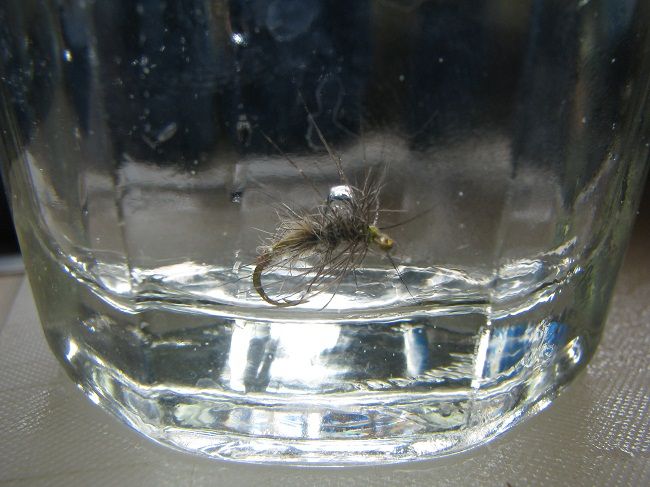
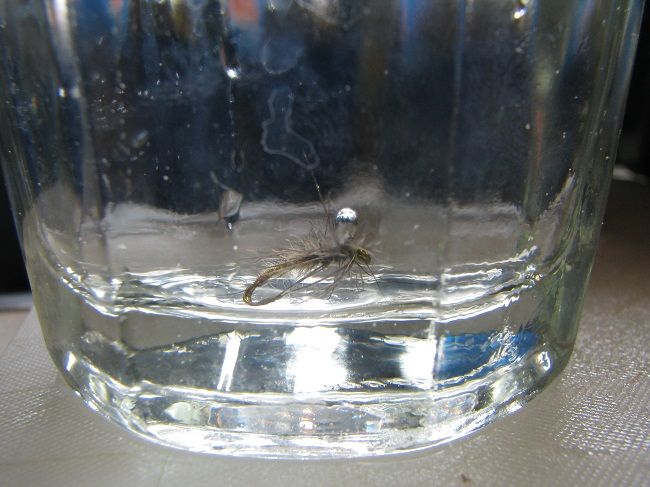
DUBBN wrote:I have always enjoyed seeing patterns submerged. I also like seeing them when they are photographed wet (out of water). I am not trying to be negative, but what is it that we learn from these pictures? If there is no current pushing the hackle back over the fly, or sweeping the dubbing material towards its tail, are we really seeing the true appearance of the pattern?
In calm water, patterns like the Peacock and Partridge, or my Muskrat look rather plain when just sitting in water (submerged). They really don't look all that different than when dry, except for a few bubbles coming from them. Add movement (current) and the two patterns take on a whole different appearance. The hackles sweep back and envelope the body in a fascinating shroud. The patterns look completely different than just submerged or out of the water and wet.
Like I said before, I do enjoy the pictures, but what information is gathered from submerged patterns if there is no current?
As always William, your patterns are top shelf, and a pleasure to see.
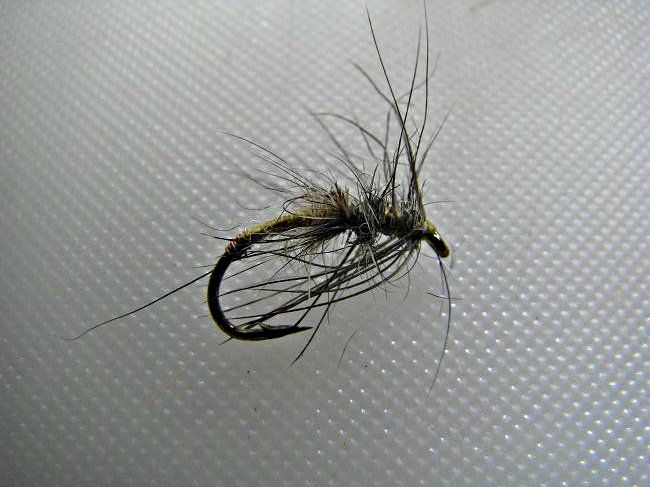
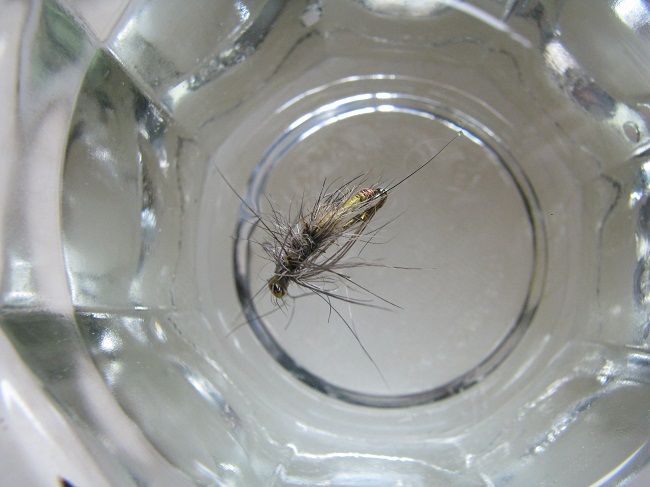
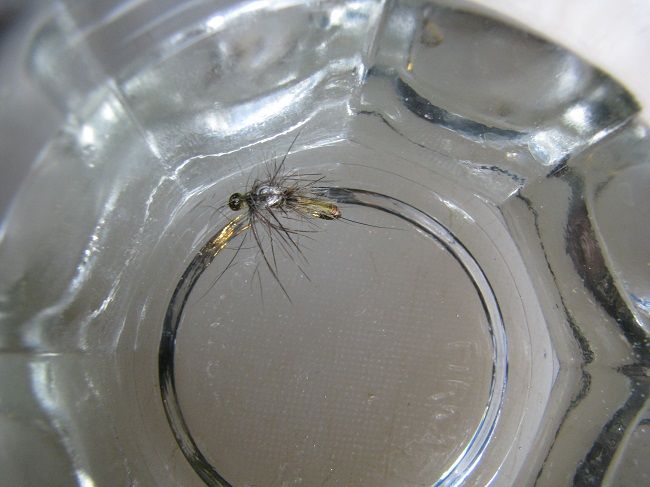
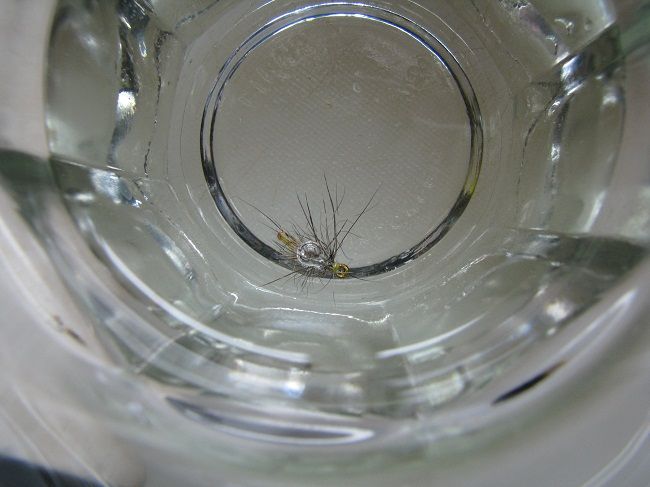
Wayne, I don't take your question as a negative in the least. It's the question I've hinted at throughout the entire thread. What is the difference and even so....so what is the relevance? When I posted the Waterhen Flymph with the mole/beaver blend, I noted that the third image, simply wet was maybe a better reflection of the actual underbody, but I didn't know if it was because the light was better able to show the silk in the body, or because the microbubbles were obscuring the body itself.
My intention was not to demonstrate what soft-hackles look like or do in the stream in fishing conditions. My intention was simply to see if I could better represent the qualities of the underbodies found in flies tied using the silk and dubbing loops or spun bodies. Period. When I post a fly that is wet, I usually say, it's a shame what it does to the dubbing, mucking it up and causing an effect that is unreal in every context. I'm trying to get around that. What I didn't expect, but should have, was the ability of the fibers to create that larger hydrofuge, which is discussed by most soft-hackle writers/fishermen, including Nemes, Hidy, Hughes...and there are a few others. It's a phenomenon that does occur and many speculate that it is relevent to making a fly more life-like. Maybe not, but a nice image to share is interesting to talk about and I am interested in looking at which body materials create this and maybe why. I lean toward finding the hydrofuge as possibly productive. That's as far as I can say on that.
As to the current of the water being such a significant factor, and I'll step on your toes here, gently, (but if we agreed on everything, it would make for a very dull conversation), but you have commented many times about hackles clinging to the body and creating a profile very much like a nymph shape, with fibers clinging to body. You're not alone in that, as it's often said that a small thorax built into the north country spiders will help keep the fibers from collapsing. I like to see a thorax on some because I hold the profile as one of my core design beliefs. I don't often include them on North Country Spiders, but I find them in line with my own thinking when I see them. (that was way off point. Sorry.) I don't dispute that there are occassions, either with very weak hackles, or especially strong currents and hard swinging flies that the fibers do slope back against the body, and to our advantage, the profile of this is fantastic and likely realistic. I don't however believe this is the case in most situations, even with north country spiders. Water pressure surrounding every fiber, micro-currents and the nature of the materials themselves, do not want to cling to the body as they do when you lift them from the water. They move. They are always moving and especially when you add a dubbed body, those fibers too want to move in every direction. As Ray mentioned the materials want to spring in every direction when they get below the water's surface, and if you're fishing these dead drift or up stream as I like to do...a hard current doesn't come into play.
(I feel like I'm channeling MC with such direct statements, made with such certainty - which I don't think is usually my style, quite the opposite I hope).

Discussing the nature of the flies in the current, despite Jeff's innovation mentioned above
, wasn't the point here at all. Only that dry photos illustrate how these flies look when tied to match the tiers desired result, dry. Wet photos tend to show a bit of the translucency of the materials, and certainly a darkening of the materials when wet, but the appearance of the fly is lacking. I am hoping to add something to that. (Note, I think showing the flies dry, wet and submerged is a better conversation than advocating showing flies submerged as opposed to showing them wet.)
A key point that I hadn't seen until Lance pointed it out, and today with the distilled water, I demonstrated to myself again, something that I wouldn't have picked up on. We tend to see what we expect to see I guess. But with the flies submerged, and every fiber spread, absorbing and reflecting light, the dubbing and the hackles are not darkened as they are when you take them out of the water. In and out, like a little kid, I watched closely and found the darker waterhen fibers lighten, as did the dubbed bodies. With the Woodcock as well, it does darken when it's out of the water, but put it back in and it lightens to the color of a dry hackle. Dark hackles? who cares right, but when you're entertaining the idea of imitating a March Brown, so subtlety comes into play. I really don't know what to make of this yet, it's a new thought for me, and if I'm making a fool of myself based on such a small sample size...I'll eat every word. No problem. I'm just sharing what I see. As I said in the intial post...let the speculation and suspicions regarding it's relevance begin. That will certainly prove to be an interesting conversation. I think we're safe in have disagreement for the point of learning. I hope to be the one to gain the most from this little exercise.
Someone check...is this my longest post to date? My apologies, sincerely. I do have some strong opinions based on my experiences, but I'm wide-eyed and looking for input from every angle.
Please share your reactions, I have no problems with entertaining opposing opinions. I rather enjoy it.
w